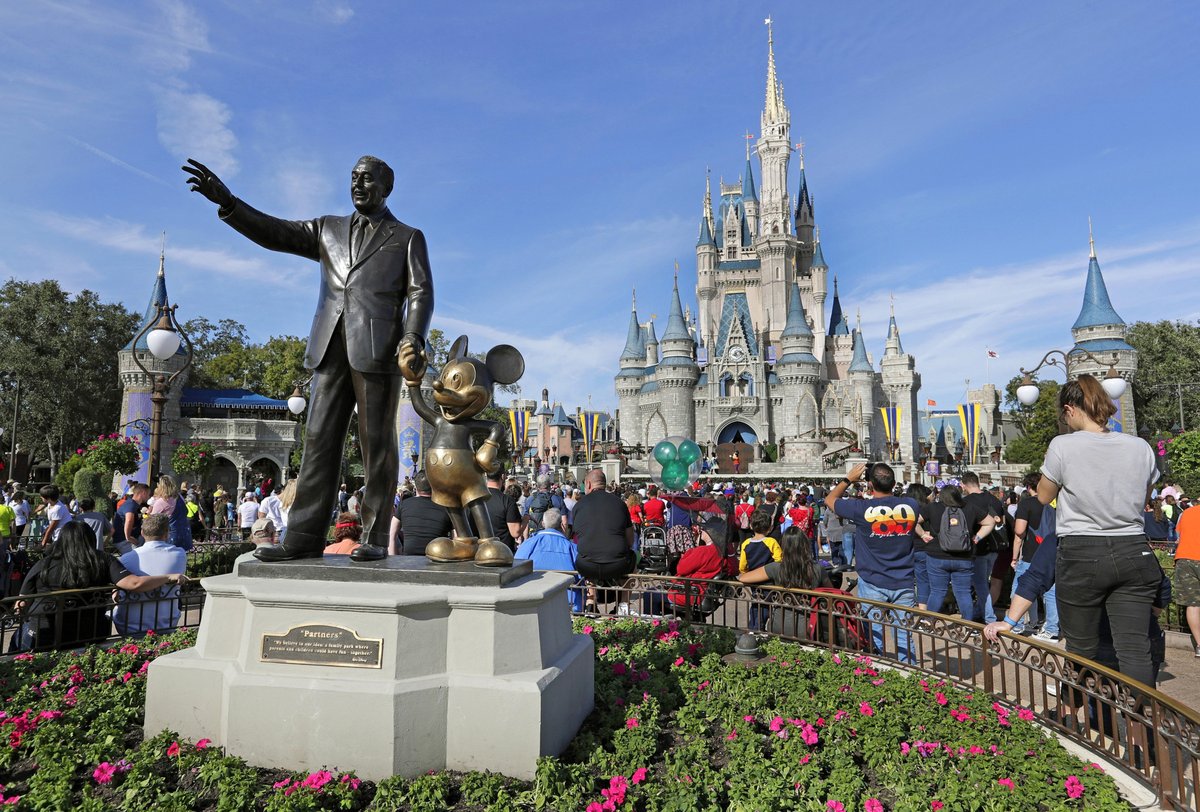
Stepping into a Disney park, you're immediately enveloped in magic, but behind every whimsical facade and thrilling ride, there's an invisible shield of safety. The robust Disney Park Fire Safety Protocols and Regulations are a cornerstone of this operational excellence, meticulously designed to protect every guest and Cast Member. From the moment you pass through security to your last evening stroll down Main Street, U.S.A., a comprehensive framework ensures a safe environment, prioritizing prevention, clear pathways, and swift response. It's not just about compliance; it's about peace of mind, allowing you to fully immerse yourself in the enchantment without a worry.
At a Glance: Disney's Fire Safety Essentials
- Prevention First: Strict bans on fireworks, explosives, flammable items, and non-designated smoking areas are core to preventing fires.
- Clear Paths Are Paramount: Rules on stroller sizes, wheeled devices, and prohibited items like folding chairs keep walkways and emergency exits clear.
- Vigilant Security: Bag and guest screenings are critical for preventing prohibited items from entering the parks.
- Guest Responsibility: Your adherence to rules, especially regarding smoking and obstruction, is vital for everyone's safety.
- Hotel Protocols: Designated smoking areas and strict no-smoking policies in rooms/balconies, backed by significant fees, protect accommodations.
- Disney's Right to Act: The resort can deny entry, remove guests, or close facilities if safety is compromised or rules are violated.
The Foundation of Safety: Why Disney's Rules Matter
You might think fire safety is all about alarms and sprinklers (and Disney certainly has those!), but a significant part of Disney's strategy lies in proactive prevention and maintaining an environment where emergency services can operate unimpeded. The Disneyland Resort Rules, while covering a broad spectrum of guest conduct and prohibited items, form the bedrock of this fire safety strategy. They aren't just arbitrary guidelines; each rule contributes to a layered defense against potential hazards, ensuring guest well-being is always the top priority.
Think of it this way: preventing a fire from starting is always better than putting one out. Disney's approach is deeply rooted in controlling potential ignition sources and ensuring that if an incident does occur, evacuation routes are clear and accessible, and emergency responders have a smooth path. This holistic view of safety empowers you, the guest, to also play a crucial role in maintaining the magic for everyone.
Preventing the Spark: Prohibited Items and Substances
One of the most direct ways Disney mitigates fire risk is through its stringent rules on what you can and cannot bring into the parks and resort properties. These aren't minor inconveniences; they're essential safeguards designed to eliminate potential ignition sources and combustible materials from highly populated areas.
Banning the Blazes: Explosives, Flammables, and Weapons
The Disneyland Resort Rules are crystal clear: "Fireworks, explosive/flammable objects, smoke/fog machines" are strictly prohibited. This covers a wide range of items that could either cause a fire or obscure vision, hindering emergency response. Imagine the chaos and danger if such items were allowed in crowded spaces. This preemptive ban is a non-negotiable aspect of Disney's commitment to safety.
Similarly, "Firearms, ammunition, knives, weapons of any kind; self-defense or restraining devices (e.g., pepper spray, mace); objects or toys resembling firearms/weapons" are forbidden. While not directly fire-related, these contribute to a general environment of security and order, ensuring that any potential threat, including those that could escalate into fire-related incidents, is minimized.
The Clear Container Rule: Glass and Other Hazards
You'll notice that "Glass containers are prohibited (excluding small baby food jars), except in Disney Resort hotels." While this might seem like a minor detail, glass presents multiple hazards. In a fire or other emergency, broken glass can create sharp debris, hindering rapid movement and causing injuries. Furthermore, certain types of glass could potentially act as a magnifying lens under specific conditions, although this is a less common concern than the risk of breakage during an evacuation. Keeping theme park environments glass-free is a smart, multi-purpose safety measure.
The No-Alcohol and Substance Policy
Generally, "Alcohol is prohibited," with exceptions only within the Hotels of the Disneyland Resort and for specific wine consumption in Downtown Disney District restaurants. "Marijuana (including enriched products) or any illegal substance" is explicitly forbidden. This rule directly relates to fire safety by removing substances that could impair judgment, lead to reckless behavior, or, in the case of illegal substances often associated with smoking, introduce unmanaged ignition sources.
Smoke-Free Zones: Protecting Air Quality and Preventing Fires
One of the most noticeable fire safety protocols you'll encounter is Disney's comprehensive smoking policy. Designed to protect air quality and, crucially, prevent accidental fires, these rules are strictly enforced across the resort.
Where You Can (and Can't) Smoke
"Theme parks, the Esplanade, and the Downtown Disney District are smoke-free." This means no smoking of tobacco, e-cigarettes, or similar products in general public areas. If you need to smoke, you'll find "designated outdoor smoking areas" provided. This separation is vital: it prevents stray embers, discarded cigarettes, or malfunctions in e-cigarettes from igniting anything in densely packed areas, especially where there might be decorative elements or refuse.
The ban extends to "marijuana or other illegal substances" being smoked anywhere on property, aligning with the general prohibition of such substances. This eliminates a significant source of uncontrolled combustion.
Hotel Room Policies and Recovery Fees
Even within the Disney Resort hotels, "Smoking is not permitted in Disney Resort hotel rooms, on patios, or balconies." This is a critical fire safety measure. Hotel fires can spread rapidly, and smoking in rooms or on balconies is a common cause. To reinforce this, the policy states, "A $250-$500 room-recovery fee will be charged for smoking in guest rooms or on balconies/patios at Disney Resort hotels." This hefty fee acts as a strong deterrent, underscoring the seriousness with which Disney approaches this fire risk.
For an even deeper dive into how Disney handles emergencies, you might want to read Your complete guide to Disney fire.
Maintaining Clear Paths: Ensuring Smooth Evacuation
In any emergency, including a fire, the ability to evacuate quickly and safely is paramount. Disney's rules on guest mobility, personal items, and conduct are meticulously crafted to ensure that pathways remain clear and unhindered, allowing for efficient movement should the need arise.
Stroller and Wagon Regulations
One of the most impactful rules for maintaining clear egress is the strict limit on stroller and wagon sizes. "Strollers exceeding 31" (79 cm) in width or 52" (132 cm) in length" are prohibited, as are "Wagons, including stroller wagons" and any "trailer-like object pushed, pulled, or towed." This isn't just about managing crowd flow; oversized items can quickly become obstacles in a crowded evacuation scenario. By standardizing sizes, Disney ensures that designated walkways can accommodate high volumes of guests moving quickly.
Wheeled Mobility Devices
Similar logic applies to wheeled mobility devices. They are "Prohibited if they have less than 3 wheels or cannot maintain stability when stopped/unpowered/unoccupied." Devices must be "manually or electrically powered, operated at a walking pace, single rider, and not exceed 36" (92 cm) in width and 52" (132 cm) in length." These specifications prevent instability that could cause falls or blockages, and ensure that even mobility aids contribute to maintaining clear, safe pathways rather than impeding them.
Bags, Coolers, and Furniture
The maximum size for "Suitcases, bags, coolers, or backpacks" in theme parks is "24" long x 15" wide x 18" high (61 cm x 38 cm x 46 cm)." This ensures that bags can fit through typical security checkpoints and don't become unwieldy burdens in crowds, which could impede movement during an emergency. Furthermore, "Folding chairs are not allowed in any theme park or the Downtown Disney District," directly preventing guests from setting up their own seating that could obstruct critical pathways or create trip hazards.
Preventing Obstruction
Beyond physical items, certain "Prohibited Activities" directly relate to maintaining clear paths: "Obstructing sidewalks, entrances, driveways, patios, vestibules, stairways, corridors, halls, or landings" is forbidden. This general rule is explicitly designed to keep emergency routes open. In hotels, "Hanging clothing, towels, bedding, or similar items over/on Disney Resort hotel balconies or from fire suppression sprinklers" is also prohibited. Hanging items on balconies could create fire hazards or hinder visibility for emergency responders, while tampering with sprinklers is a direct and serious threat to fire suppression systems.
Behind the Scenes: Security Screening and Risk Management
While many fire safety protocols are visible to guests, a significant amount of work happens behind the scenes to minimize risk. Security screening and Disney's overall right to manage the resort environment are powerful tools in preventing fire hazards before they even enter the property.
The Gateway to Safety: Screening and Security Checks
Every guest and their belongings are subject to thorough "screening/security checks." This is where the initial line of defense against prohibited items, including explosives and flammable objects, is established. The resort's right to "refuse items or deal with unattended objects" gives security personnel the flexibility to address potential threats proactively, ensuring that dangerous materials never make it past the entrance. This vigilant approach significantly reduces the likelihood of fire-starting materials entering the parks.
Disney's Right to Act: Maintaining Control for Safety
The Disneyland Resort is private property, and as such, it reserves extensive rights to ensure safety and order. This includes the right to "deny admission, prevent entry, or require a person to leave without refund/liability/compensation for failure to comply with rules, unsafe/illegal/offensive behavior, to ensure safety/security/order, or if circumstances require it, at its sole discretion." This broad authority allows Disney to immediately address any situation that could compromise safety, including potential fire risks or behaviors that could lead to them.
Furthermore, Disney can "change operating hours, close facilities temporarily, restrict access, or suspend/cancel entertainment programs without prior notice." While this can sometimes be for operational reasons, it is also a critical tool in managing safety. If a fire hazard is identified, or an event necessitates crowd dispersal for safety, these rights allow Disney to act swiftly and decisively to protect guests.
Your Role in Safety: Guest Courtesy and Awareness
While Disney implements a vast array of protocols, your active participation as a guest is incredibly important. Adhering to the rules, showing common courtesy, and remaining aware of your surroundings contribute significantly to the overall safety environment, particularly concerning fire prevention and emergency readiness.
Courtesy and Conduct: Avoiding Disruptions
"Guests must show common courtesy, avoid profanity, and refrain from unsafe, illegal, disruptive, or offensive behavior." This goes beyond general etiquette. Disruptive behavior can, in an emergency, escalate panic, impede crowd movement, or distract Cast Members from their critical duties. Any "unsafe act or other act that may impede resort operations" is prohibited, directly tying into the need for clear pathways and calm conduct during a potential fire evacuation.
"Unauthorized access or entry into backstage areas or Cast Member-only areas" is also forbidden. These areas often contain critical infrastructure, emergency equipment, or restricted zones that are not designed for public access and could pose hazards or interfere with emergency operations if trespassed upon.
Attire Policies and Potential Risks
"Clothing that drags on the ground is prohibited in theme parks. Clothing with multiple layers is subject to search." While primarily for guest comfort and security, these rules also touch upon fire safety. Dragging clothing can pose a tripping hazard, particularly in crowded areas or during rapid movement. Multiple layers, while searched for security reasons, also speak to managing items that could conceal prohibited substances or materials.
Adherence to Hotel Facility Rules
If you're staying at a Disney Resort hotel, "Adherence to rules posted at pools, spas, fitness centers, or other Disney Resort hotel facilities is required." These often include specific safety guidelines for using equipment or facilities, which contribute to the overall guest well-being and reduce the chances of incidents that could tie up emergency resources that might otherwise be needed for fire-related events.
Addressing Common Questions on Disney Park Fire Safety
Navigating a massive resort like Disneyland can bring up practical questions about safety. Here are some common inquiries regarding fire safety protocols and how Disney addresses them.
Are there fire drills or specific evacuation procedures for guests?
While the ground rules provided don't detail explicit fire drill schedules for guests, Disney's comprehensive approach to maintaining clear pathways and its right to temporarily close facilities or restrict access indicate a robust internal plan for managing emergencies. The focus on prohibiting items that could obstruct egress (strollers, wheeled devices, large bags, folding chairs) and general rules against obstruction (sidewalks, entrances) directly supports efficient evacuation should it be necessary. Cast Members are extensively trained to guide guests during any emergency, including fire-related incidents.
What happens if a fire alarm goes off in my hotel room?
If a fire alarm sounds in a Disney Resort hotel, you should follow the instructions provided by Cast Members and any emergency signage. The hotel's strict no-smoking policy in rooms, patios, and balconies, enforced by a significant room-recovery fee, is a primary preventative measure against in-room fires. Additionally, Disney reserves the right to "enter any Disney Resort hotel room for maintenance, safety, security, or other purposes," which would include responding to any safety concern, even if a "Room Occupied" sign is displayed. This ensures swift action can be taken to investigate and mitigate potential fire hazards.
Can I bring my own fire extinguisher or first-aid kit?
The rules explicitly prohibit "Weapons & Substances" and give the resort the "right to refuse items" or deal with unattended objects. While a small, personal first-aid kit for minor scrapes is generally acceptable, bringing your own fire extinguisher is not something covered by the general rules and would likely fall under items that the resort may deem unnecessary or potentially disruptive in a large, public setting, especially if it resembles a "self-defense or restraining device" or a weapon, which are prohibited. It's best to rely on Disney's professional Cast Members and on-site emergency services for any significant incident.
How does Disney prevent fires during fireworks shows?
While the rules prohibit guests from bringing fireworks, it's widely known that Disney itself puts on spectacular fireworks displays. Disney's professional fireworks displays are meticulously planned and executed by trained pyrotechnicians, adhering to extremely strict safety regulations, often beyond local requirements. These shows occur in designated, controlled areas with extensive safety zones, fire suppression teams on standby, and specialized equipment to prevent accidental fires, especially in the context of the park's landscaping and structures. The guest prohibition prevents untrained individuals from introducing uncontrolled pyrotechnics into a crowded environment.
Are there specific guidelines for service animals during a fire emergency?
While the provided ground rules don't detail specific fire emergency protocols for service animals, they do state that "Service animals must remain on a leash or in a harness and under owner control at all times." This ensures the animal is always with its handler, allowing them to follow evacuation instructions together. Service animals may not be permitted on some attractions "due to safety rules," and they are "not allowed in the water, including water features/fountains." In an evacuation, the animal's training to assist its handler would be crucial, and Disney's overall safety environment aims to facilitate their movement alongside their owners.
Disney's Unwavering Commitment: A Seamless Safety Net
Disney's approach to fire safety isn't just a list of prohibitions; it's an intricate dance between prevention, preparedness, and immediate response, all woven into the fabric of the guest experience. Every rule, from the size of a stroller to the location of a smoking area, plays a vital role in creating an environment where magic can thrive without compromise.
By understanding and adhering to these protocols, you become an active participant in maintaining the safety and security of the Disneyland Resort. Your cooperation ensures that the pathways remain clear, potential hazards are minimized, and the Cast Members can focus on delivering the exceptional experiences you expect. The safety net is broad, strong, and constantly reinforced, allowing you to relax, explore, and create unforgettable memories, confident that your well-being is Disney's highest priority.